
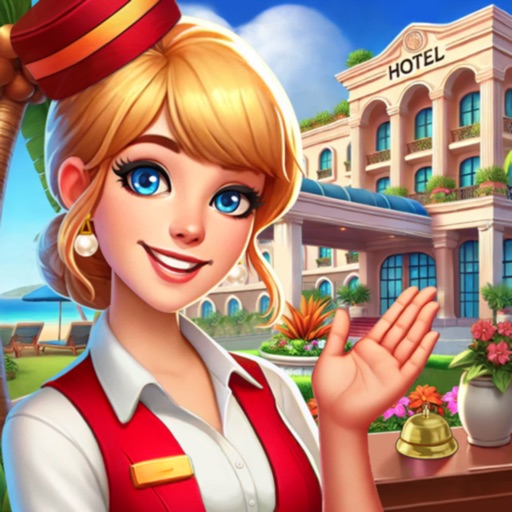

My Hotel – Grand Guest Mania on iOS: A Resort Management Odyssey
The game plunges players into a vibrant simulation where every choice—from selecting palm-tree-lined villas to assigning chefs to gourmet stations—directly impacts guest satisfaction. Unlike rigid simulations, My Hotel thrives on organic decision-making; a rushed staff schedule might trigger a guest’s displeasure meter, while strategic upgrades like infinity pools or spa zones can turn casual visitors into loyal tip-givers.
The island settings shift subtly with each new location, from tropical beaches to misty mountain resorts, each offering unique challenges like weather-related disruptions or cultural preferences that demand tailored amenities. Progression feels rewarding because it’s not just about size; unlocking a new biome often introduces mechanics like merging special event tickets or acquiring rare staff types that redefine how you manage operations.
The iOS interface leans into tactile responsiveness, with drag-and-drop actions for merging rooms or staff that snap precisely without accidental misclicks. Menus are streamlined into a radial layout, ensuring even multi-tasking during a coffee break doesn’t slow progress.
What stands out is how the game balances complexity with accessibility: while managing 50+ guests might require juggling multiple timelines, the core loop remains simple enough for 10-minute sessions. The Happiness Offerwall, a rotating mini-game hub, adds strategic depth without forcing paywalls—completing a match-3 puzzle might yield a blueprint for a new resort wing, blending skill-based rewards with the game’s casual essence.
Precision Controls for Casual Management
The touch controls are meticulously calibrated for one-handed play, prioritizing speed without sacrificing accuracy. Merging two identical items—say, two standard rooms into a deluxe suite—requires a simple drag, with visual feedback confirming the action mid-swipe.
This reduces frustration during repetitive tasks like expanding a resort, where hundreds of merges might be needed to unlock the next island. The game also avoids overloading the screen; even when viewing a bustling resort, UI elements like guest satisfaction bars or staff schedules remain within quick reach, ensuring the focus stays on strategic planning rather than navigating clutter.
Orientation flexibility enhances usability, letting players switch between portrait and landscape without disrupting the flow. Landscape mode, in particular, is ideal for surveying sprawling resorts, where the wider view helps identify bottlenecks like overcrowded check-in areas.
The game’s haptic engine subtly reinforces actions—soft vibrations when merging items or a firm tap upon completing a daily task—creating a satisfying loop that feels native to iOS. This attention to tactile details, combined with minimal animation lag, ensures the experience remains smooth even during high-stakes moments, like staffing a resort during a sudden storm event.
Progression, Merges, and Endless Island Exploration
The progression system is designed to reward creativity rather than time invested. Merging items isn’t just a means to unlock bigger rooms; it’s a puzzle where combining a beach-themed villa with a luxury suite might create a unique “tropical-chic” package that attracts high-spending guests.
Each island biome introduces new mergeable assets, from bamboo decor in a rustic island to neon lights in a futuristic resort, ensuring visual and gameplay variety. Unlimited tickets from the IPA version remove the usual energy constraints, allowing players to experiment with extreme scaling—building a 100-room empire in a single session if desired—without hitting artificial ceilings that might stifle ambition.
Replayability is anchored in the game’s modular design. Completing a daily task might unlock a special event, like a beach party that requires quick-staffing mini-games, or a mystery guest with unique demands.
These events often tie into cosmetic themes, letting players customize their resort’s aesthetic while influencing guest behavior. For example, a luxury-themed merge might increase tips but require higher staff salaries, forcing players to balance budgets.
The IPA’s unlimited tickets further amplify this by letting players test different strategies across multiple islands in one sitting, a feature that transforms the game from a casual pastime into a strategic sandbox.
IPA Distribution and Sustained Player Engagement
The IPA version of My Hotel – Grand Guest Mania breaks traditional monetization barriers by bundling unlimited tickets, a feature that shifts the game’s focus entirely to player ingenuity. Without energy limits or paywall-protected progression, players can obsess over optimizing resort layouts, testing theories about guest psychology, or building absurdly large complexes just for the challenge.
This eliminates the “pay-to-win” frustration common in free-to-play games, replacing it with a sense of ownership over one’s sandbox. The IPA’s seamless installation via third-party platforms also ensures accessibility, bypassing restrictions while maintaining the game’s core integrity—no obtrusive ads or hidden limitations that might disrupt immersion.
Beyond the unlimited tickets, the IPA build retains all visual and gameplay polish present in the version. The game’s art style—bright, cartoonish, yet detailed—scales well to smaller iPhone screens, with vibrant animations that pop even on older devices.
Monetization is respectful, with cosmetic items available for purchase but never intrusive; players can enjoy the core loop without spending real money, though the IPA’s unlimited tickets already remove a key barrier to full expression. For iOS users who value tactile, deep sim games, this IPA adaptation feels like a premium experience delivered outside conventional channels, blending convenience with the unfiltered joy of unchecked progression.
The file for My Hotel – Grand Guest Mania For has been reviewed before publishing.
Updated: Today, 04:03 / Price: 0 USD / Author: tututweak
Leave a Comment